

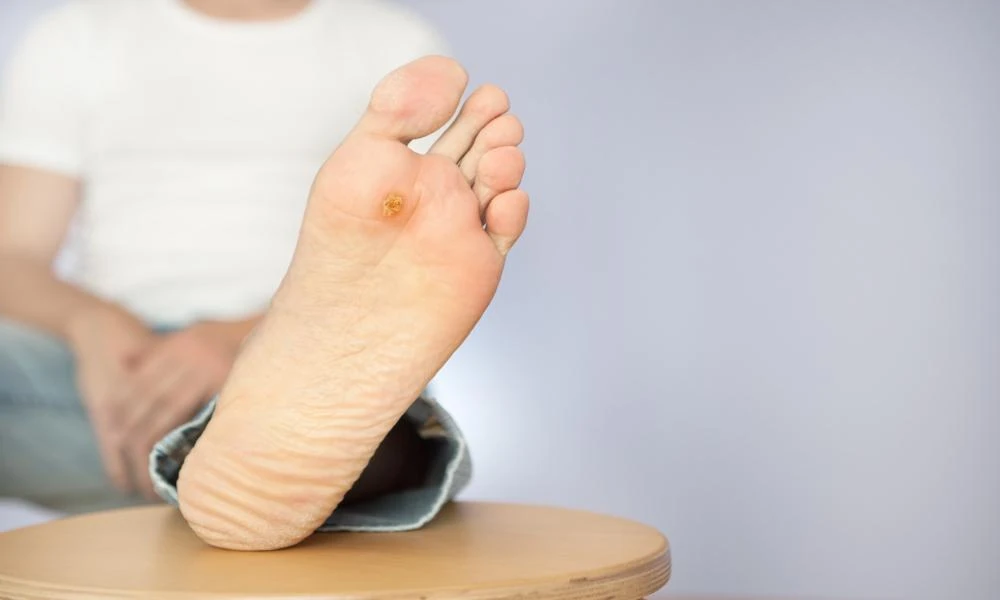
Dry skin around the feet can become rough when moisture levels drop. Regular care helps soften thick patches while reducing discomfort during everyday movement. Choosing suitable products makes a difference because some formulas support hydration without leaving a heavy layer. The dermatologist recommended foot cream can help people compare ingredients and select options that suit their skin needs. Simple habits such as gentle washing and regular moisturising also support smoother skin while helping prevent further dryness.
Understanding Common Causes of Dryness
Low Moisture Levels Affect Skin
Skin loses natural moisture through frequent washing or exposure to dry air. This can leave the heel surface rough and less flexible.
Pressure Creates Thick Skin
Standing for long periods places pressure on the heel. The skin may become thicker as a natural response to repeated friction.
Daily Habits Influence Skin Condition
Hot water and harsh cleansers can remove protective oils. Gentle cleaning followed by moisturising helps maintain the skin’s natural moisture balance.
Poor Footwear Increases Friction
Shoes that rub against the heel may worsen rough patches. Properly fitted footwear helps reduce pressure while supporting everyday movement.
Natural Oils Support Skin Softness
The skin needs moisture to remain flexible. Creams containing suitable oils help reduce water loss and improve the feel of rough areas.
Regular Care Encourages Better Results
Applying moisturiser consistently supports smoother skin over time. A simple routine works better than occasional care when dryness continues.
Early Attention Prevents Further Roughness
Small cracks can become deeper if neglected. Paying attention to early changes helps people adjust their daily care before the skin worsens.
Choosing Suitable Moisturising Ingredients
Glycerin Helps Retain Moisture
Glycerin attracts water to the skin surface. This ingredient helps maintain hydration while reducing the tight feeling associated with dryness.
Urea Supports Softer Rough Areas
Urea helps attract moisture and soften thick skin. Lower strength formulas may suit mild dryness, while stronger products require careful selection.
Shea Butter Adds Lasting Moisture
Shea butter helps reduce moisture loss by forming a protective layer. Its rich texture may suit people with particularly dry heel areas.
Ceramides Support The Skin Barrier
Ceramides help maintain the skin’s protective barrier. Products containing these ingredients can support hydration and reduce moisture loss during regular use.
Aloe Vera Offers Gentle Hydration
Aloe vera can provide a soothing feel for some users. Check the ingredient list carefully because added fragrance may irritate sensitive skin.
Applying Cream With Proper Technique
Clean And Dry Feet Gently
Wash with lukewarm water, then pat the skin dry. Avoid rubbing rough areas because excess friction may increase irritation.
Apply A Suitable Amount Daily
Use a small amount across dry areas and massage gently until absorbed. Avoid applying cream between the toes where excess moisture can collect.
Improve Results With Simple Habits
Daily routines help maintain hydration and protect vulnerable areas.
– Apply moisturiser after washing.
– Wear clean breathable socks.
– Choose shoes that fit properly.
– Avoid picking at loose skin.
– Keep feet clean and dry.
Building A Consistent Foot Care Routine
Select Products Based On Skin Needs
A dermatologist recommended foot cream may help guide ingredient choices. Compare product labels and avoid formulas that cause redness or stinging.
Protect Cracked Areas From Irritation
Deep cracks need careful attention because they can become painful. Avoid cutting thick skin yourself and seek professional advice if wounds persist.
Monitor Changes During Daily Care
Notice whether roughness improves after regular moisturising. Stop using products that trigger irritation and seek advice if symptoms continue.
Simple Ways To Maintain Softer Skin
Healthy feet need consistent attention rather than complicated routines. Choose a moisturiser that suits your skin, then apply it regularly. Avoid harsh scrubbing and protect the heel from repeated friction. If cracks bleed, become swollen, or show signs of infection, seek medical advice promptly. People with diabetes or reduced foot sensation should consult a healthcare professional before treating damaged skin themselves.
